
Claude Code vs Codex vs Pi: The Agent Harness Battle of 2026
A grounded technical comparison of how Claude Code, Codex, and Pi handle planning, tool use, cost, and failure recovery as agent harnesses in 2026.
Quick Answer
Claude Code, Codex, and Pi should be chosen for their operational fit, then insulated from lock-in with a harness-independent control plane. Production teams should measure token use, tool failures, and restart behavior on their own representative workloads.
Introduction
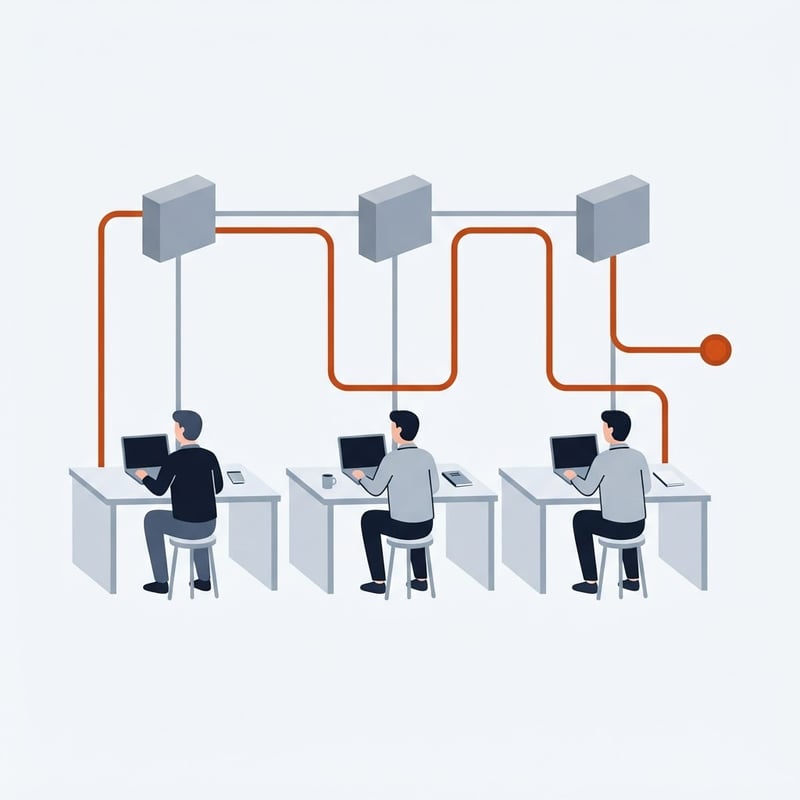
Claude Code, Codex, and Pi are not interchangeable once agents must execute multi-step work repeatedly under real failure conditions. The harness determines how an agent receives context, invokes tools, records progress, and resumes after interruption. For coding agents at scale, harness choices affect both the amount of custom infrastructure a team maintains and the amount of repeated reasoning each run consumes. The model is only one part of the system that touches repositories, credentials, files, and production services.
Key Takeaways:
Harness behavior matters most when work spans tools, files, and retries.
Token efficiency depends on retained state and reusable learned workflows.
A shared control plane preserves harness optionality without discarding operational history.
Claude Code and the operational layer behind coding agents
Claude Code is an agentic coding tool originally built by Anthropic to support developer productivity. Its relevant production behavior is not simply model output quality, but the supporting machinery around context, tools, persistence, permissions, and evaluation.
Planning, context, and tool use
Claude Code's Agent SDK includes a compact feature that summarizes prior messages as the context limit approaches, preserving continuity rather than letting a long-running task simply exhaust context. That reduces integration work, but teams still need clear boundaries around which tools an agent can call and which actions require review.
Context compaction: Prior messages are summarized near the context limit.
Tool connections: Integrations can avoid custom OAuth management.
Evaluation sets: Representative customer tasks expose performance drift.
Permission boundaries: Tool access should match the task's risk level.
Recovery and cost behavior
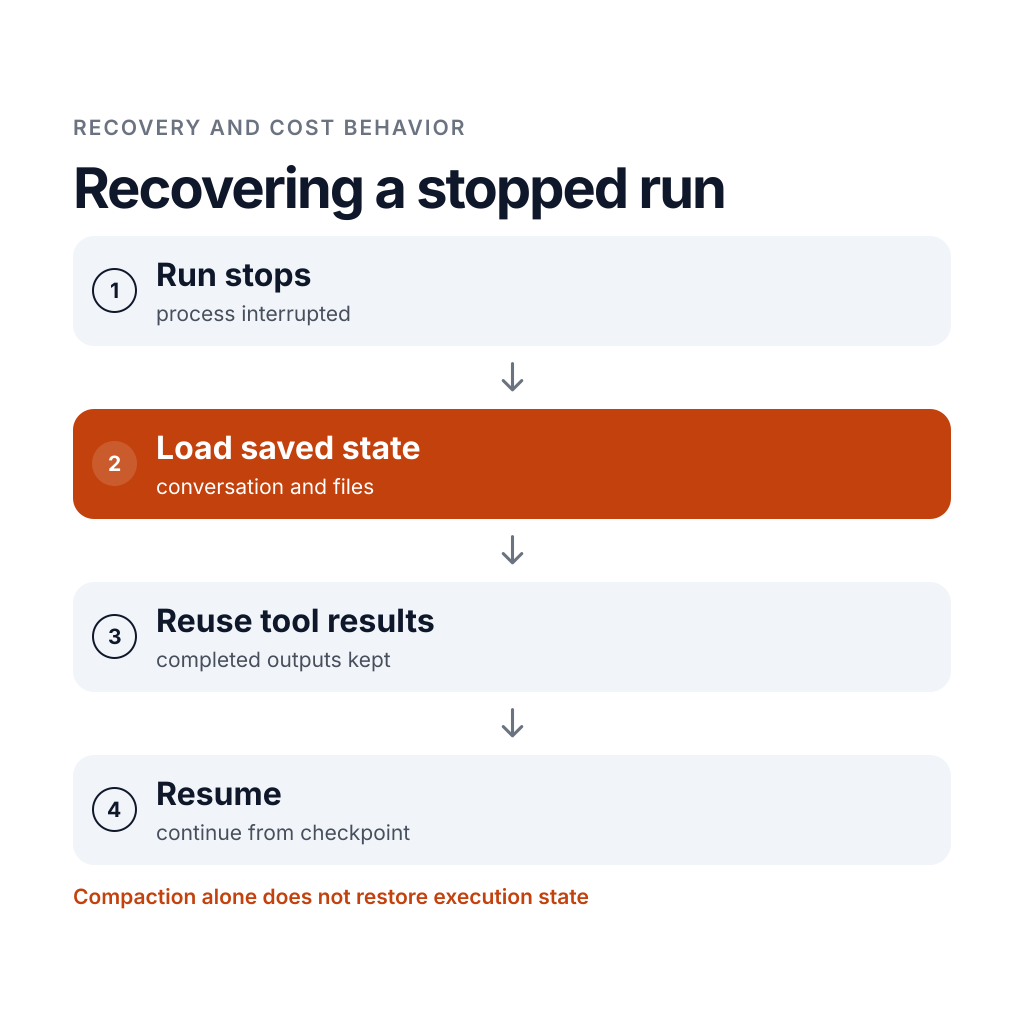
Claude Code's documented compaction mechanism addresses one failure mode: context exhaustion. It does not by itself answer whether a stopped process can resume with its files, completed tool outputs, and exact execution state intact. Cost behavior therefore depends on how often the harness must recreate task state, rediscover tools, or repeat planning after a process interruption. A 2026 engineering usage review found that power-user token consumption on Claude Code more than tripled over several months, the kind of per-harness pattern a workload test should surface before scaling.[1]
Codex and Pi: compare the harness boundary, not the brand
Codex and Pi should be evaluated as harness choices whose production characteristics must be established in a controlled workload test. Planning loops, tool-call formats, context compaction, pricing, and recovery semantics should be compared directly. Treating undocumented behavior as equivalent creates avoidable risk in AI agent platform comparisons.
What teams can compare in a production trial
Use the same task suite, repository snapshot, tool permissions, and failure injections for each harness. Capture planning turns, tool calls, total tokens, wall-clock completion, retries, and whether the run restarts from a durable checkpoint or from a newly constructed prompt. A recent survey of agent architectures identifies planning, tool use, and context management as central concerns, making these useful dimensions for a controlled comparison.[2] This is more useful than a generic benchmark because real knowledge work often includes proprietary systems, uneven tool latency, and organization-specific approval steps.
The table separates Claude Code facts from evaluation criteria for Codex and Pi.
Dimension | Claude Code | Codex | Pi |
|---|---|---|---|
Context handling | SDK compacts prior messages near limits | Measure on representative runs | Measure on representative runs |
Restart semantics | Measure process interruption recovery | Measure process interruption recovery | Measure process interruption recovery |
The decision point is not which interface appears simpler in a demonstration. It is whether a harness can complete the same governed workload repeatedly without accumulating hidden token, state-reconstruction, and operator costs.
Security is part of the tool-use test
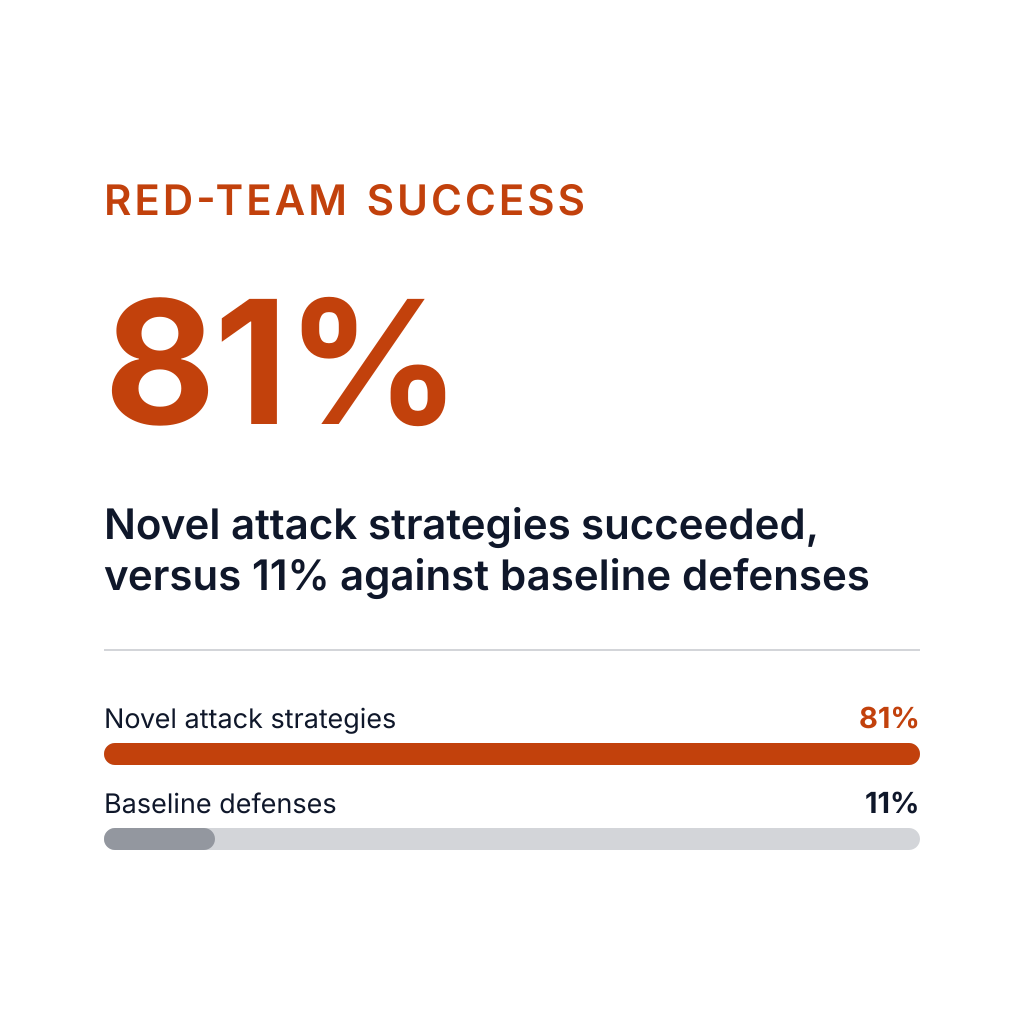
Tool use expands the blast radius of a planning error because agents can execute code, query databases, send communications, call APIs, and delegate tasks with limited human intervention. A agent security research note cites CAISI research showing novel attack strategies achieved an 81% success rate in red-team exercises, compared with 11% against baseline defenses.[3] The note also says that existing identity and access management frameworks were designed for human users and static software services rather than AI agents. A harness trial should therefore test authorization, isolation, auditability, and failed-tool behavior together.
Durable execution AI needs a control plane above the harness
Durable execution AI separates the agent's reasoning loop from the platform responsibilities that keep work recoverable, observable, and reusable. Agent systems use software scaffolding to manipulate tools and act beyond text output. Teams should define state, identity, logging, and execution governance in their own platform architecture.
How AgentRun preserves optionality
Agent Run sits around an existing harness and exposes one AI agent control plane across Claude Code, Codex, Pi, and OpenCode. It adds durable execution for agents by saving the conversation, files, and completed tool results, allowing a stopped run to recover from saved state rather than requiring the agent to reconstruct completed work. That makes the harness decision reversible because the operational record and control plane do not have to be discarded when a team changes underlying agent technology.
The platform's compute layer connects to Docker, Daytona, and Modal for lightweight sandboxes, development environments, and high-resource jobs. AgentRun's sandbox approach supports execution isolation without tying it to one harness, while the console tracks agents, revisions, runs, files, and learning across the operating surface.
Reducing repeated planning work
Agent Run's self-improving learning layer turns repeated steps into proposed notes, reusable skills, and tested workflows, then validates and grades them before later runs reuse them. This is a concrete route to reduce AI token usage: store validated task knowledge so an agent does not rediscover the same tool sequence or planning path on every run, a pattern AgentRun's planning research examines directly. Risky changes wait for owner approval, which keeps automated learning inside a governed change process.
Conclusion
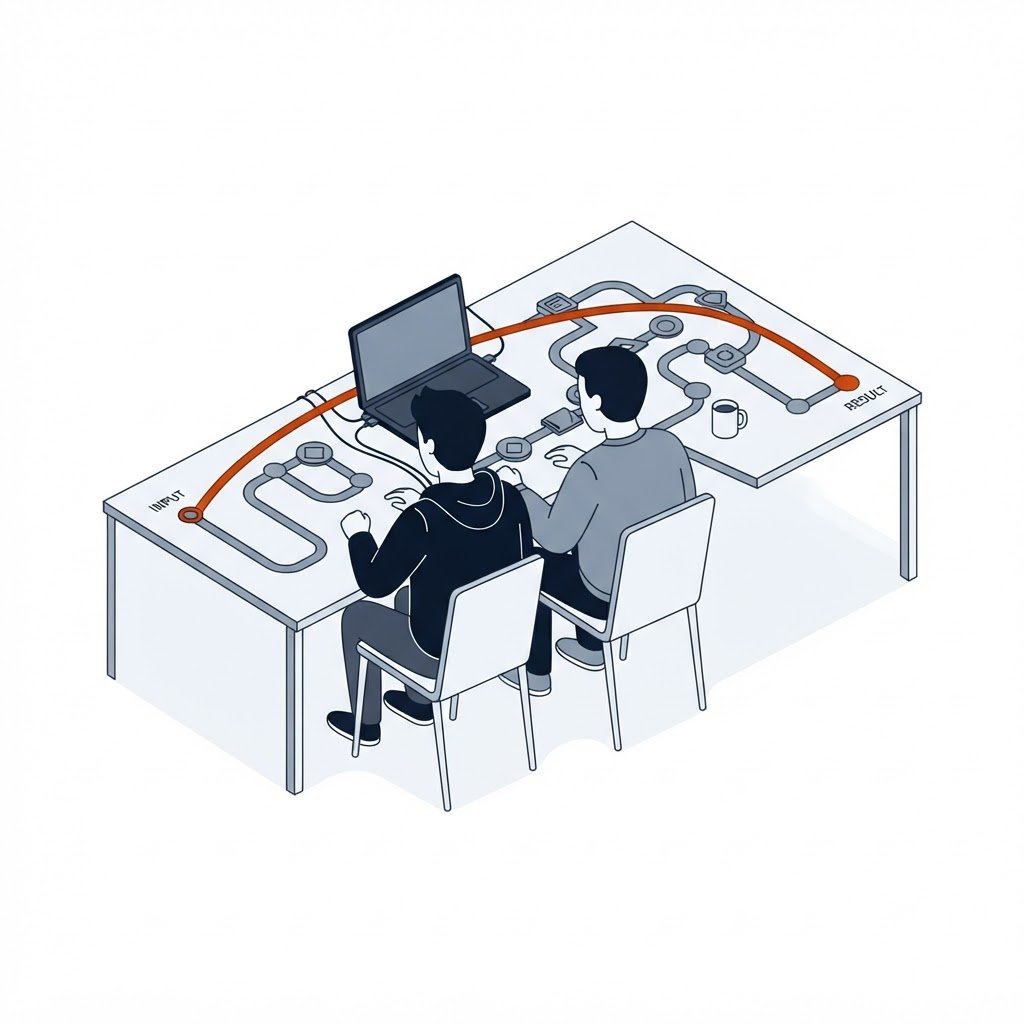
Choose Claude Code, Codex, or Pi by running the same controlled workload and measuring planning repetition, tool-call reliability, state loss, and recovery behavior. The Claude Agent SDK has documented context compaction and tool connections, while comparable details for Codex and Pi should be established through direct testing rather than assumptions. For teams operating agents repeatedly, Agent Run can retain harness flexibility while adding durable state, governed learning, and shared execution controls. That approach keeps the harness replaceable while preserving the operational improvements accumulated across runs.
Ready to operate agents without committing your control plane to one harness? Use Agent Run with the harness and infrastructure your team already uses.
Frequently Asked Questions (FAQs)
What is Claude Code and how does it work?
Claude Code is an agentic coding solution built for developer productivity, and its associated SDK can compact previous messages when context approaches its limit while connecting agents to supported tools.
How should teams manage AI agents at scale?
Teams should manage AI agents at scale through centralized run records, explicit tool permissions, repeatable evaluations, isolated compute, and durable state that lets interrupted work resume without rebuilding task history.
Can Claude Code run on custom infrastructure?
Assess Claude Code's behavior against the organization's own repositories and services.
How can teams reduce AI agent operational costs?
Teams can reduce AI agent operational costs by measuring repeated planning and tool discovery, then reusing validated instructions and workflows instead of paying for agents to rediscover known procedures.
What is the benefit of durable execution in AI?
Durable execution in AI preserves conversation state, files, and completed tool results, which lets a stopped run continue from saved progress rather than repeating completed work.
How can teams make AI agents more reliable?
Teams can make AI agents more reliable by injecting tool failures during evaluation, limiting permissions, recording execution state, and requiring approval for learned changes affecting sensitive data or money.